Caffeine affects people differently depending on body weight, tolerance, metabolism, timing, and total daily intake. The right caffeine dose is not always the biggest dose. It is the amount that gives you the energy, focus, or alertness you want without pushing past your comfort level.
This guide breaks down common caffeine dosage ranges from 10mg to 400mg so you can better understand what each level may feel like and how to choose a dose more intentionally.
Quick Answer
For many healthy adults, up to 400mg of caffeine per day is commonly referenced as a general upper limit, but individual sensitivity varies. A smaller dose like 50-100mg may be enough for a light boost, while 200mg or more should be used more carefully, especially if you already drink coffee, tea, soda, or energy drinks.
What Is Caffeine?
Caffeine is a natural stimulant that affects the central nervous system. It can help increase alertness, support focus, and reduce feelings of fatigue.
Everyone processes caffeine differently. Your response can change based on sleep, food intake, hydration, stress, medications, and how often you use caffeine.
Common Caffeine Dosage Ranges
10-50mg: Very Light Boost
This range may provide a subtle lift. It can be useful for people who are caffeine-sensitive or who want only a small amount of support.
75-100mg: Light to Moderate Boost
This is similar to a small cup of coffee for many people. It is often enough for light focus, morning energy, or an early afternoon reset.
150-200mg: Moderate Boost
This range is closer to a stronger cup of coffee or a typical energy drink serving. It may feel more noticeable and should be counted against your total daily caffeine intake.
250-300mg: Strong Boost
This is a higher caffeine range. It may be useful only for people who already understand their tolerance. Taking this much too late in the day can interfere with sleep.
350-400mg: Maximum Daily Range
For many healthy adults, 400mg per day is often cited as a general upper limit. This does not mean 400mg is right for everyone, and it does not mean it should be taken all at once.
How Fast Does Caffeine Work?
Many people begin to feel caffeine within 15-45 minutes. The timing can vary based on the drink, food in your stomach, and your own metabolism.
Because caffeine can stay in the body for hours, late-day use may affect sleep even if you do not feel wired.
Splitting Caffeine Doses
Instead of taking one large serving, some people prefer smaller, more controlled amounts throughout the day. This can help avoid the spike-and-crash feeling that often comes from high-dose energy drinks.
For example:
- 100mg in the morning
- 50-100mg early afternoon
- No caffeine late in the day if sleep is a concern
Why Precise Caffeine Dosing Matters
Guessing your caffeine intake is easy when every drink has a different amount. Coffee can vary, energy drinks are fixed, and bulk caffeine powder can be hard to measure safely.
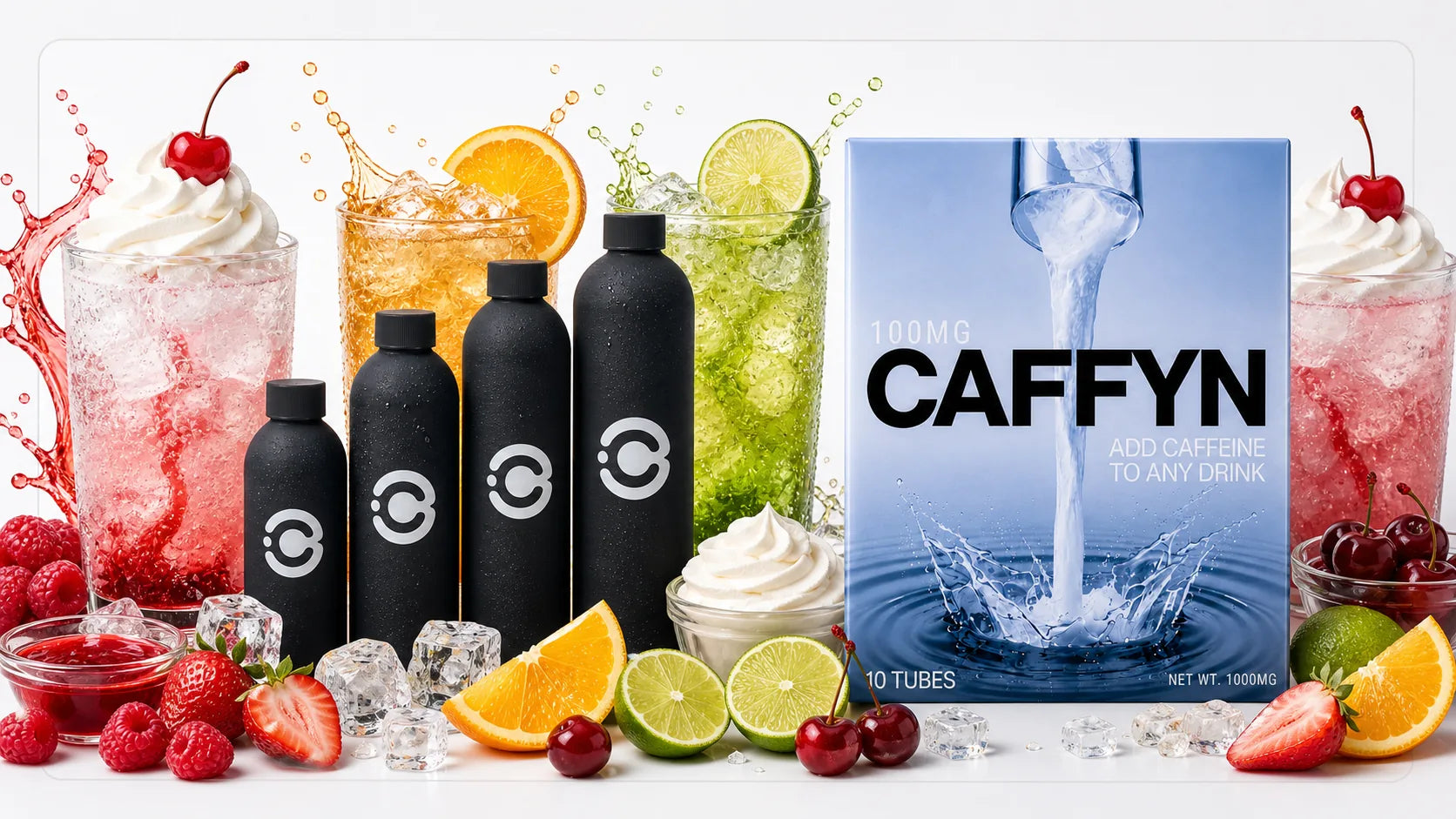
CAFFYN is built around precision-dosed caffeine so you can choose the amount that fits the moment instead of taking whatever a can, cup, or scoop happens to contain.
Match Your Dose With Your Goals
- Light focus: 50-100mg
- Everyday energy: 100-200mg
- Stronger support: 200-300mg
- Maximum daily range: up to 400mg total daily caffeine for many healthy adults
Count all caffeine sources, including coffee, tea, soda, energy drinks, pre-workout, chocolate, and supplements.
Safety Note
Caffeine sensitivity varies. Pregnant, trying-to-conceive, breastfeeding, medicated, or medically sensitive readers should ask a healthcare professional before changing caffeine intake. Avoid using caffeine to replace sleep.
The Bottom Line
The best caffeine dose is the one that fits your body and your day. Start lower, pay attention to how you feel, and increase only if needed.
Try Next
- Micro-Dosing Caffeine vs Traditional Energy Drinks: What's the Difference?
- What Is Caf Powder? (Caffeine Powder Explained)
- Build your own CAFFYN caffeine dose