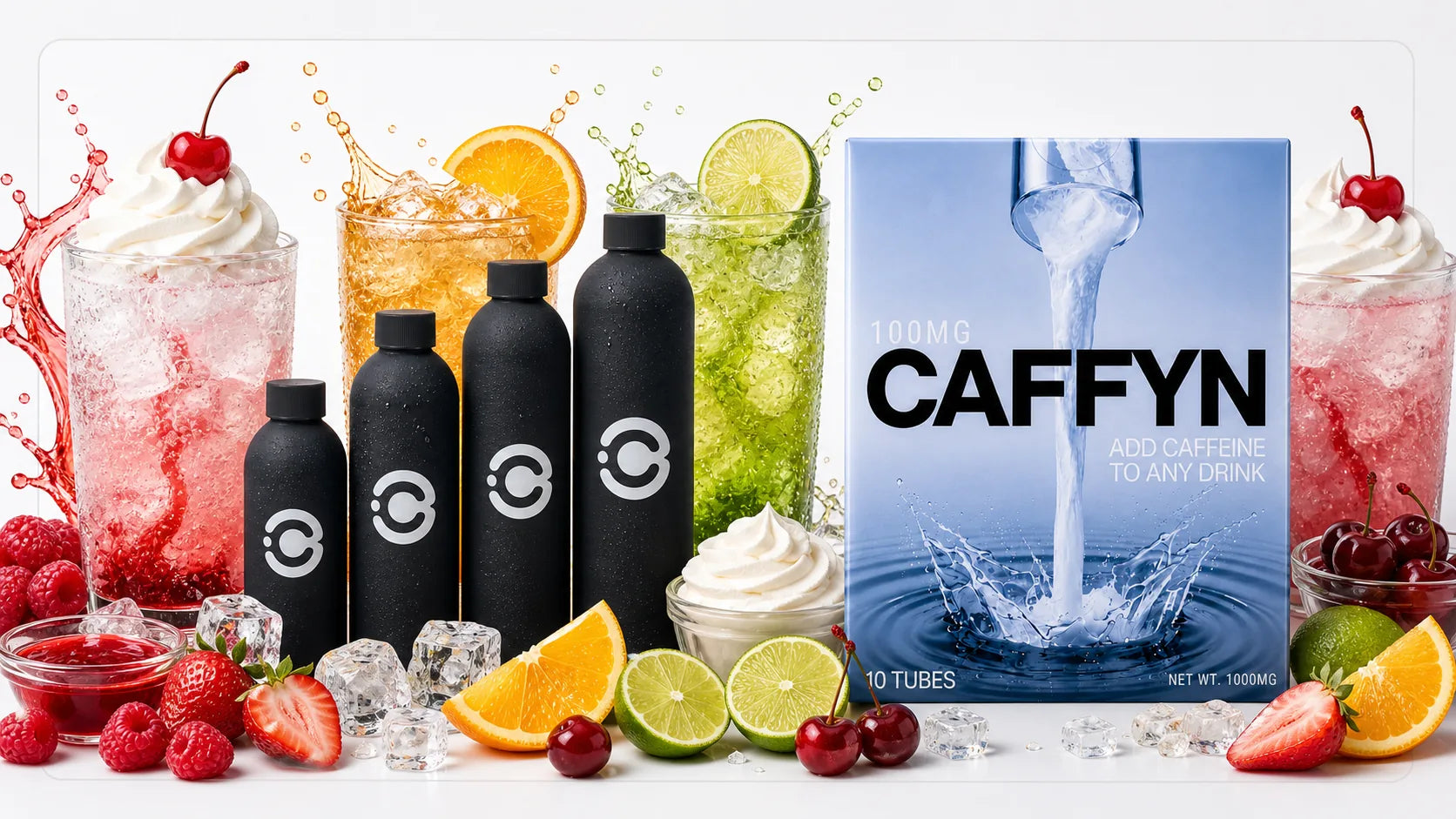
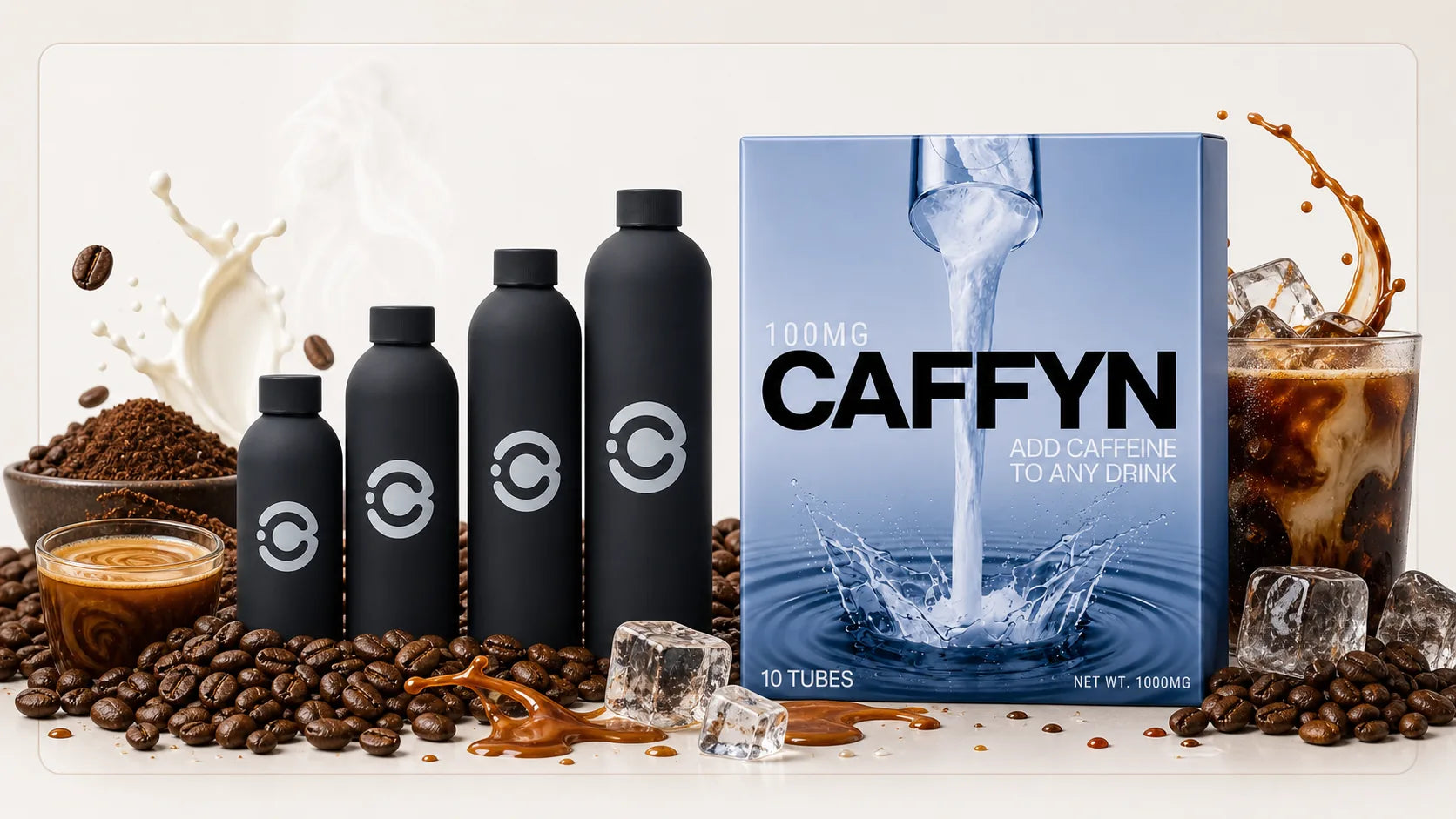
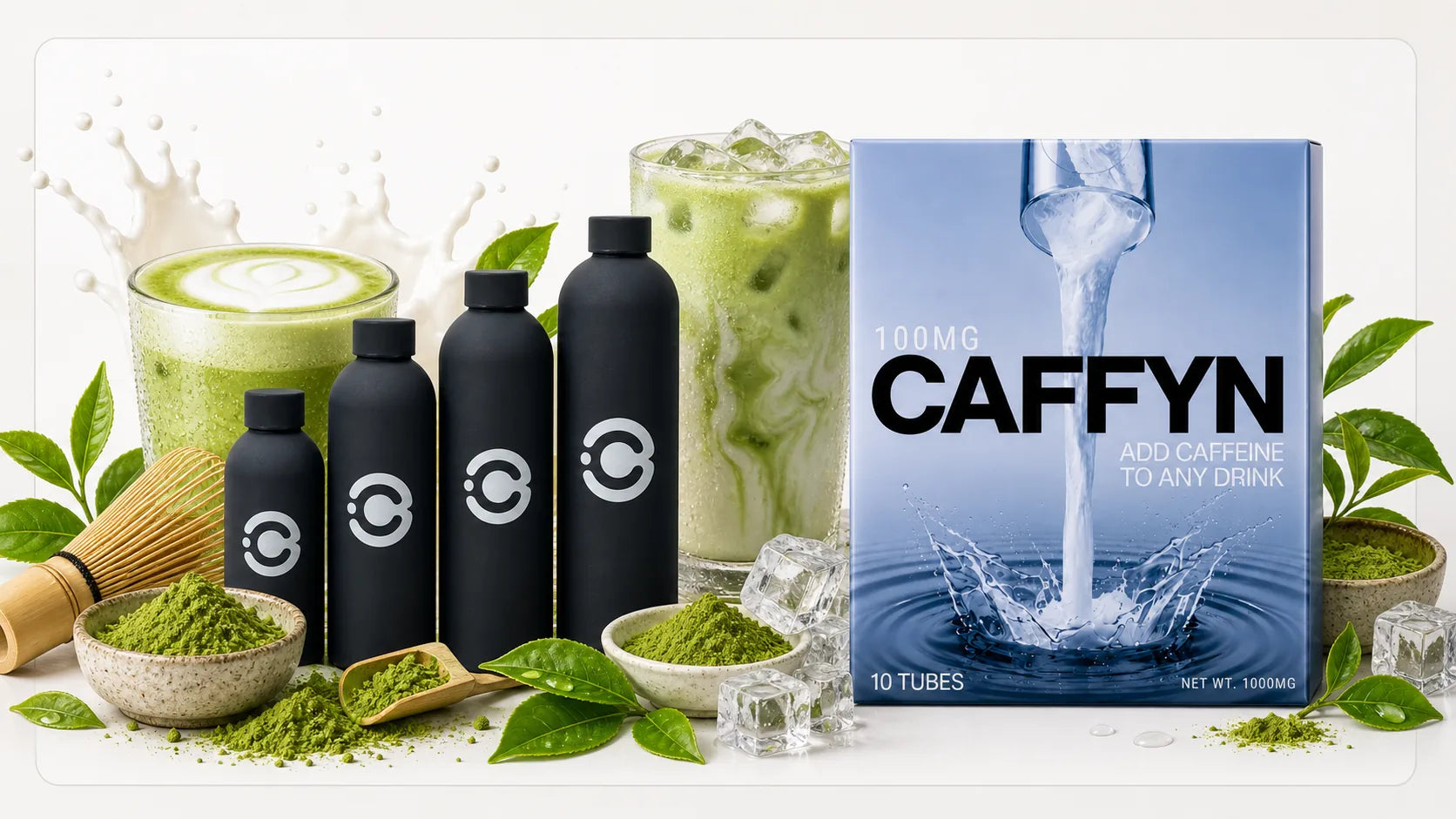
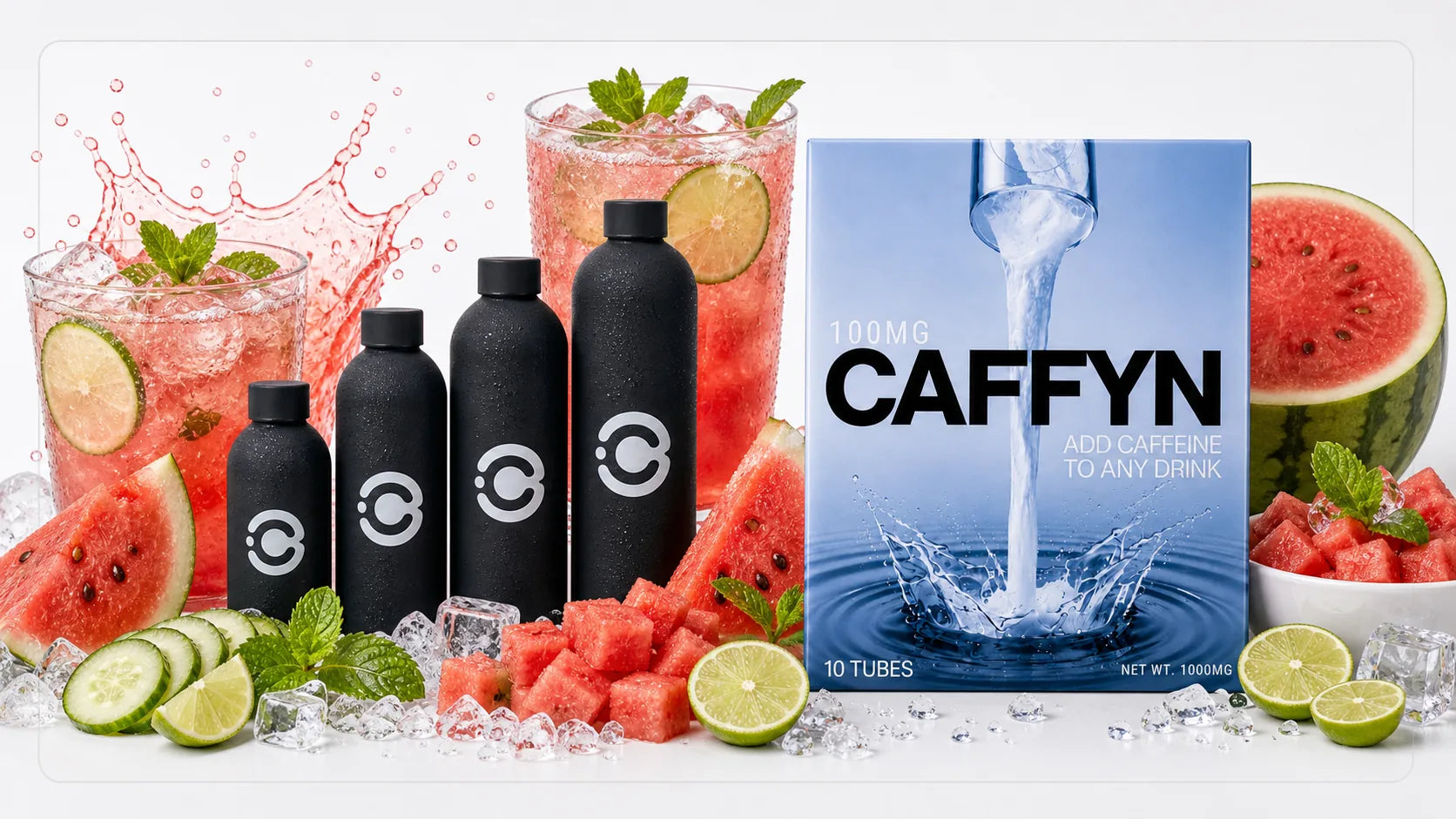
If you have ever felt jittery, anxious, or crashed after an energy drink, you are not alone. Most energy drinks deliver a fixed caffeine amount designed for the average consumer, not your exact routine or tolerance.
Micro-dosing caffeine changes the model by giving you more control over how much caffeine you take and when you take it.
Quick Answer
Traditional energy drinks usually give you one fixed caffeine dose, plus flavoring, sweeteners, carbonation, and other ingredients. Micro-dosing caffeine focuses on smaller, controlled servings so you can adjust your intake based on the moment.
What Is Micro-Dosing Caffeine?
Micro-dosing caffeine means using smaller, controlled amounts of caffeine instead of taking a large dose all at once.
That could mean:
- 10mg
- 25mg
- 50mg
- 100mg
- A custom amount that fits your tolerance
The goal is not to overload your system. The goal is to support focus, alertness, and energy with more control.
How Traditional Energy Drinks Work
Most traditional energy drinks follow a fixed formula:
- Set caffeine amount
- Sugar or artificial sweeteners
- Flavors
- Carbonation
- Additional stimulants or proprietary blends
They can be convenient, but they usually do not let you adjust the dose.
Key Differences
| Category |
Micro-Dosed Caffeine |
Traditional Energy Drinks |
| Dose control |
Flexible |
Fixed |
| Drink choice |
Add to your own drink |
Comes as one beverage |
| Sugar/calories |
Can be zero |
Varies by can |
| Flavor |
Flavorless options available |
Fixed flavor |
| Portability |
Small packets |
Bulky cans |
| Customization |
High |
Low |
Why Dose Control Matters
Caffeine response is personal. A dose that feels perfect for one person may feel too strong for another.
With a fixed energy drink, you either drink it or you do not. With precision-dosed caffeine, you can adjust the serving to match the day.
Who Is Micro-Dosing Caffeine Best For?
Micro-dosing caffeine may be a good fit if you:
- Want a smaller caffeine serving
- Want to avoid sugar
- Prefer your own drinks
- Track caffeine intake carefully
- Want a portable option for work, travel, or workouts
Why CAFFYN Uses Precision-Dosed Energy
CAFFYN is designed to make caffeine more flexible. You can add it to water, coffee, tea, smoothies, juice, sparkling water, or another drink you already enjoy.
Instead of letting a can decide your serving, you choose the amount.
Safety Note
Caffeine sensitivity varies. Count caffeine from all sources and avoid taking more just because it is easy to add. If caffeine affects your sleep, anxiety, heart rate, or medication routine, talk with a healthcare professional.
The Bottom Line
Energy drinks are convenient, but they are fixed. Micro-dosing caffeine gives you more control over dose, timing, and the drink you use.
Try Next
- Caffeine Dosage Guide (10-400mg)
- Cheaper Alternative to Energy Drinks That Actually Works
- Strawberry Lemonade Energy Drink Recipe